
Technical support is more than solving installation problems. For architectural and safety window film projects, reliable results begin with understanding the glass, selecting compatible materials, following the correct installation procedures, and documenting important details.
Different glazing systems create different challenges. A commercial glass façade, an insulated glass unit, and a safety film installation each require specific product knowledge and technical attention.
This guide explains how professional installers and project partners can identify common issues, evaluate glass and frame conditions, and work through a practical window film troubleshooting process.
A Practical Technical Support Workflow
Before attempting to correct an installation issue, establish the facts. A structured review helps distinguish product concerns, substrate conditions, installation variables, and project-specific requirements.
- Identify the film. Record the product series, model, shade, roll identification, batch number, and available technical data sheet.
- Identify the glass. Confirm whether the application involves monolithic glass, tempered glass, laminated glass, or an insulated glass unit. Record existing coatings and visible glass conditions where known.
- Inspect the frame and edges. Review the frame material, glazing seals, edge condition, available installation space, and any existing attachment details.
- Document installation conditions. Record the installation date, surface preparation, tools, working environment, and applicable product instructions.
- Record the issue. Provide overview photographs, close-ups, the location of the affected area, and a clear description of when the problem first appeared.
Architectural Window Films: Common Installation Challenges
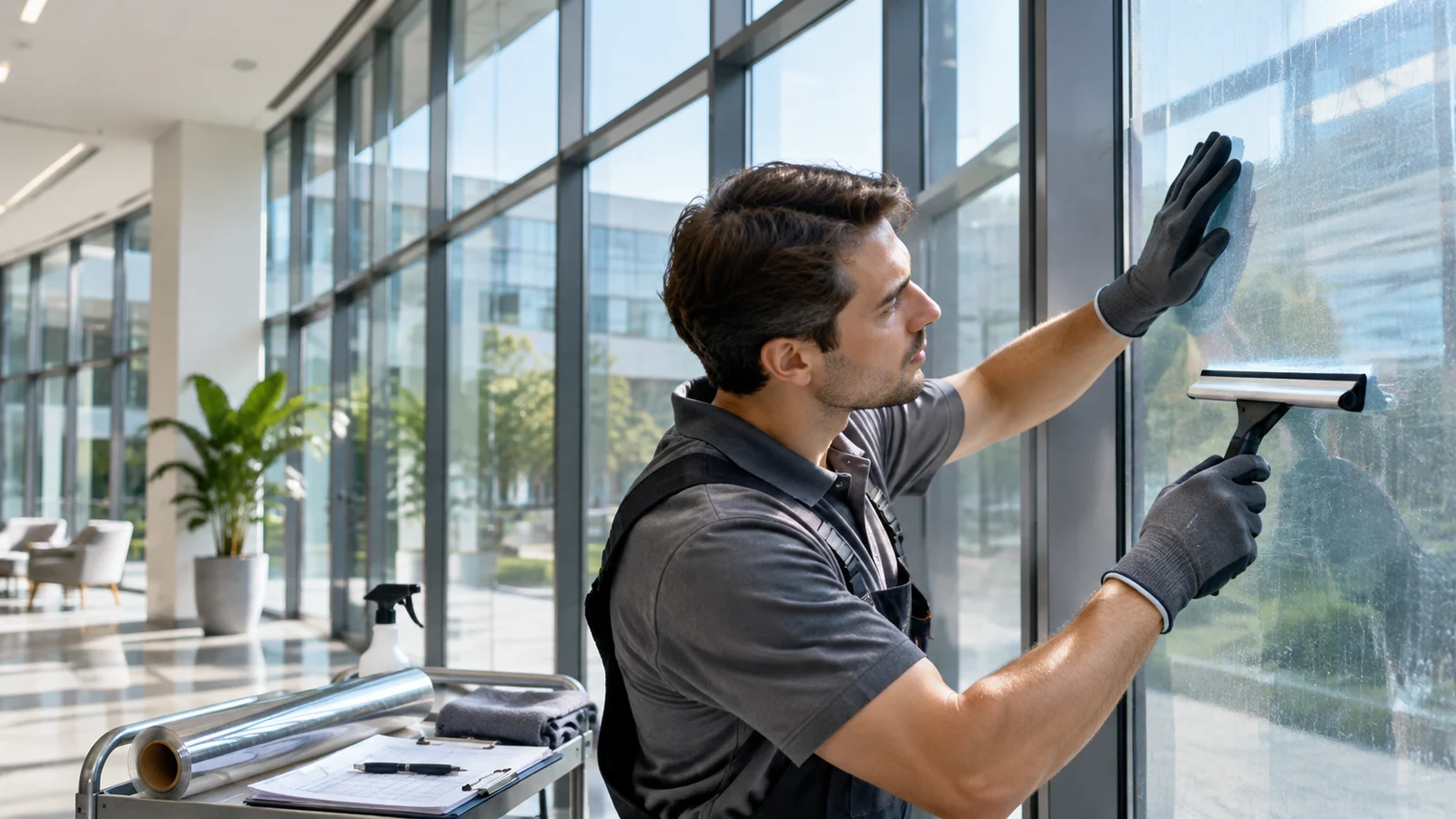
Architectural window film projects involve a wider range of glass configurations and building environments. Correct product selection requires more than matching a film color or appearance to a building façade.
Glass type, existing coatings, daylight conditions, frame details, and installation requirements should all be reviewed before selecting a suitable film.
Common Symptoms and First Checks
| Observed Issue | What to Check | Recommended Action |
|---|---|---|
| Cloudiness or moisture-like appearance | Installation date, curing period, and environmental conditions. | Review product-specific curing and inspection guidance before determining whether a defect exists. |
| Bubbles or isolated particles | Glass preparation, surface cleanliness, and installation environment. | Photograph the affected areas and review preparation and installation procedures. |
| Edge lifting or poor adhesion | Glass edges, frame seals, contamination, and installation details. | Inspect the complete edge area and compare it with the approved application instructions. |
| Unexpected color or reflection | Film model, sample, existing glass coatings, and viewing conditions. | Compare approved samples under consistent lighting and confirm product identification. |
| Glass cracking or suspected thermal stress | Glass construction, crack origin, shading, and installation history. | Preserve evidence and request an assessment from the film manufacturer and a qualified glazing professional. |
Glass Compatibility Comes First
Architectural glass is not a uniform substrate. Different glazing constructions, coatings, orientations, and environmental conditions can influence film selection.
Before recommending a product, installers should establish:
- The existing glass type and condition.
- Whether the glazing contains existing solar-control or low-emissivity coatings.
- The frame, edge, and glazing seal conditions.
- The building orientation and daylight exposure.
- The intended appearance, reflection, and privacy requirements.
Do not assume that a film suitable for one glazing configuration is automatically suitable for another. Confirm compatibility using current product-specific documentation.
Explore ARMOLAN Architectural Window Films for architectural applications and available product information.
Safety & Security Films: Understanding the Complete Glazing System
Safety and security film requires a different level of technical attention. Its purpose is not simply to change the appearance of glass. Depending on the product and installation system, safety film can help hold broken glass fragments together after breakage.
However, the actual result depends on the complete glazing system, not film thickness alone.

Four Essential Installation Considerations
1. Glass Condition
Identify the glass type, dimensions, existing damage, and glazing configuration. Existing cracks, edge damage, and unsuitable substrates require professional assessment before installation.
2. Frame and Edge Conditions
The frame and glazing details influence how a filmed pane behaves after breakage. Review the frame construction, glazing beads, edge clearance, and available attachment options.
3. Film Construction and Adhesion
Review the approved film construction, adhesive information, installation instructions, and available technical documentation. Film thickness alone does not establish a safety rating or predict the performance of a specific glazing system.
4. Attachment System
Some applications may require an attachment system connecting the filmed glass to the frame. The appropriate installation method depends on the project requirements and the tested system.
Daylight installation and frame-anchored installation should not be treated as interchangeable. Their performance must be evaluated against the intended application and relevant test documentation.
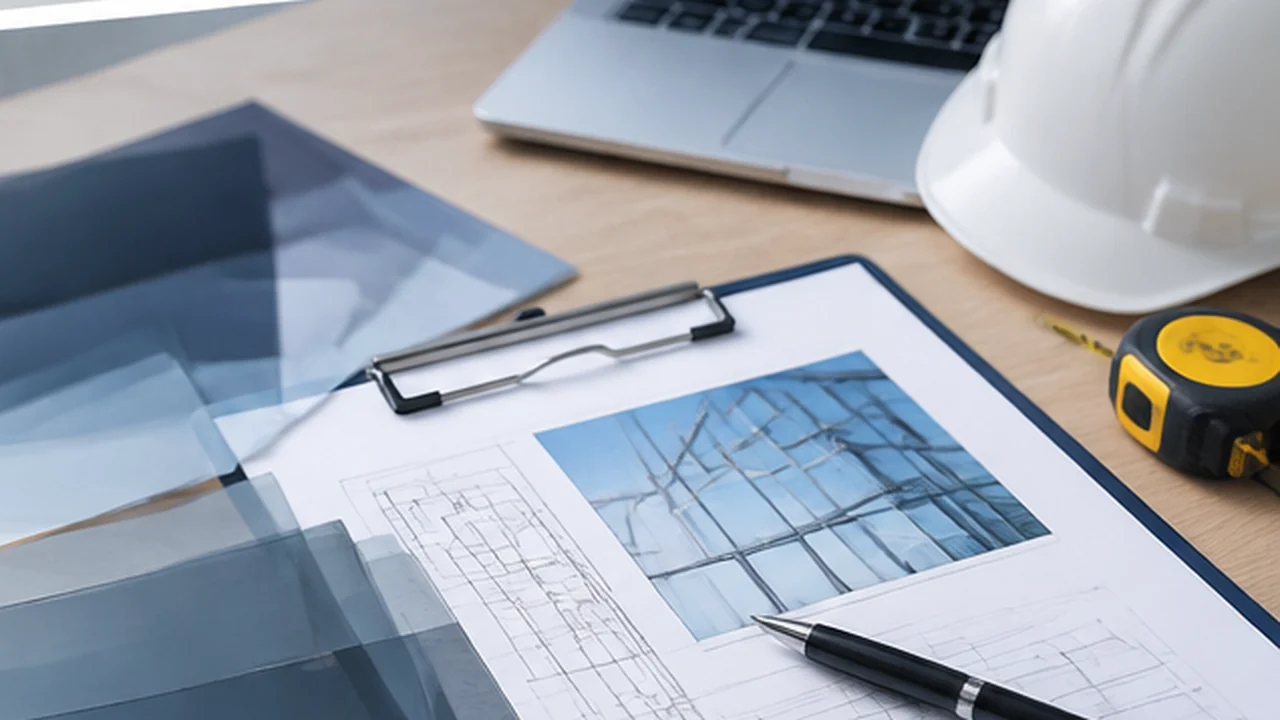
Important technical distinction: Safety film does not automatically make existing glass bulletproof, blast-resistant, or compliant with a particular safety standard. Such claims require appropriate evidence for the complete tested glazing assembly and intended threat.
For further product information, visit ARMOLAN Safety & Security Films.
How to Prepare an Effective Technical Support Request
When an installation issue cannot be resolved through the approved instructions, the quality of the information provided determines how efficiently the issue can be investigated.
A useful technical support request should include the following information:
| Information | Details to Provide |
|---|---|
| Product identification | Model, series, shade, roll number, and batch identification. |
| Application | Residential glazing, commercial façade, safety, or security application. |
| Glass information | Glass type, approximate dimensions, coatings, and existing condition. |
| Installation details | Installation date, preparation, working conditions, and installation method. |
| Visual evidence | Wide photographs, close-ups, videos, and affected-area locations. |
| Problem description | When the issue appeared, how it changed, and what actions have already been taken. |
| Requested assistance | Product information, compatibility review, installation guidance, or test documentation. |
Technical Support Is Part of a Professional Film Brand
A professional window film brand should offer more than a product catalogue. Installers, distributors, and project partners also need clear product information, application knowledge, and access to relevant technical resources.
For architectural and safety film applications, effective support means helping partners understand the relationship between the film, the glass, the frame, and the installation method.
This approach helps reduce unnecessary assumptions, improve communication, and create a more consistent experience across different projects.
ARMOLAN brings together automotive, architectural, and safety film solutions, with a focus on product information, application requirements, and professional cooperation.
Frequently Asked Questions
Does a thicker safety film always provide better protection?
No. Thickness is only one material characteristic. The glass, film construction, adhesive, frame, attachment method, and relevant test results must be considered together.
Is cloudiness immediately after installation a product defect?
Not necessarily. Wet installation can leave residual moisture between the film and glass. Adhesion and appearance may change during the product-specific curing period. Follow the applicable inspection guidelines before making a conclusion.
Can the same architectural film be installed on every type of glass?
No. Glass construction, existing coatings, frame conditions, and environmental factors must be reviewed. Confirm compatibility with the current product documentation.
When should an installer request technical assistance?
Request assistance when glass compatibility is uncertain, edge adhesion remains unresolved, unexpected cracking occurs, or a safety application requires confirmation of the complete glazing and attachment system.
Technical Resources
- ARMOLAN Architectural Window Films
- ARMOLAN Safety & Security Films
- ARMOLAN Product Samples
- IWFA Applied Window Film Inspection Guidelines
- IWFA Safety and Security Resources
- IWFA Safety & Security Education Guide (2026)
Working on an Architectural or Safety Film Project?
Share your glass type, project requirements, film information, and installation details with ARMOLAN to help establish the appropriate next steps.
Email: info@armolanfilms.com
Technical note: This article provides general industry information. Product suitability, glazing compatibility, installation methods, and safety performance must be confirmed using current product-specific documentation and qualified professional assessment.