
A professional window film brand is defined by more than a logo, a long product list, or a broad performance promise. It is reflected in how clearly the brand organizes its products, explains what each film is designed for, supports its claims with relevant information, and helps professionals evaluate the right option for a specific application.
For dealers, distributors, and installers, these details shape the experience of working with a brand. They also help end users understand why product selection should begin with the glass and the application—not with a headline claim alone.
A Clear Portfolio Built Around Real Applications
Automotive, architectural, and safety films serve different environments. A professional portfolio makes those distinctions easy to understand instead of presenting every film as an interchangeable solution.
ARMOLAN organizes its range into three application areas: automotive window films, architectural window films, and safety and security films. Each category has its own selection context, product information, and questions to resolve before specification.
Product Information Should Be Clear and Verifiable
Product descriptions are useful starting points, but professional decisions need more than general phrases such as “high performance” or “premium quality.” Model-specific information should make it possible to understand what is being offered and which data applies to the selected film.
Depending on the product and application, relevant information may include visible light transmission, solar-performance data, ultraviolet protection, film construction, thickness, glass compatibility, installation guidance, and warranty terms. The applicable measurements and test conditions should be clear, and claims should be supported by current product documentation.
The International Window Film Association (IWFA) advises that product information should be presented accurately and that performance claims should not go beyond what independent research or other valid supporting material can substantiate. This is a useful principle for any professional brand: explain what is known, identify what needs confirmation, and avoid promises that the evidence cannot support. Read the IWFA explanation of accurate product claims.
Application Knowledge Matters as Much as the Film

The same film cannot automatically be treated as suitable for every pane of glass. Vehicle glazing, residential windows, commercial façades, and safety-related projects have different conditions and constraints.
For architectural applications, the existing glass, frame, daylight, reflection, privacy goals, and installation environment all influence selection. For safety film, the glass condition, frame and edge details, film construction, attachment method, and relevant test information need to be considered together. A professional brand should make these factors visible rather than imply that film thickness or a single specification can determine the performance of an entire glazing system.
ARMOLAN’s product pages reflect this application-led approach. The architectural film guidance asks users to consider the building, glass, and design intent, while the safety film guidance highlights glass condition, frame and edge, film construction, and attachment requirements.
Samples Connect Product Data With Real Appearance
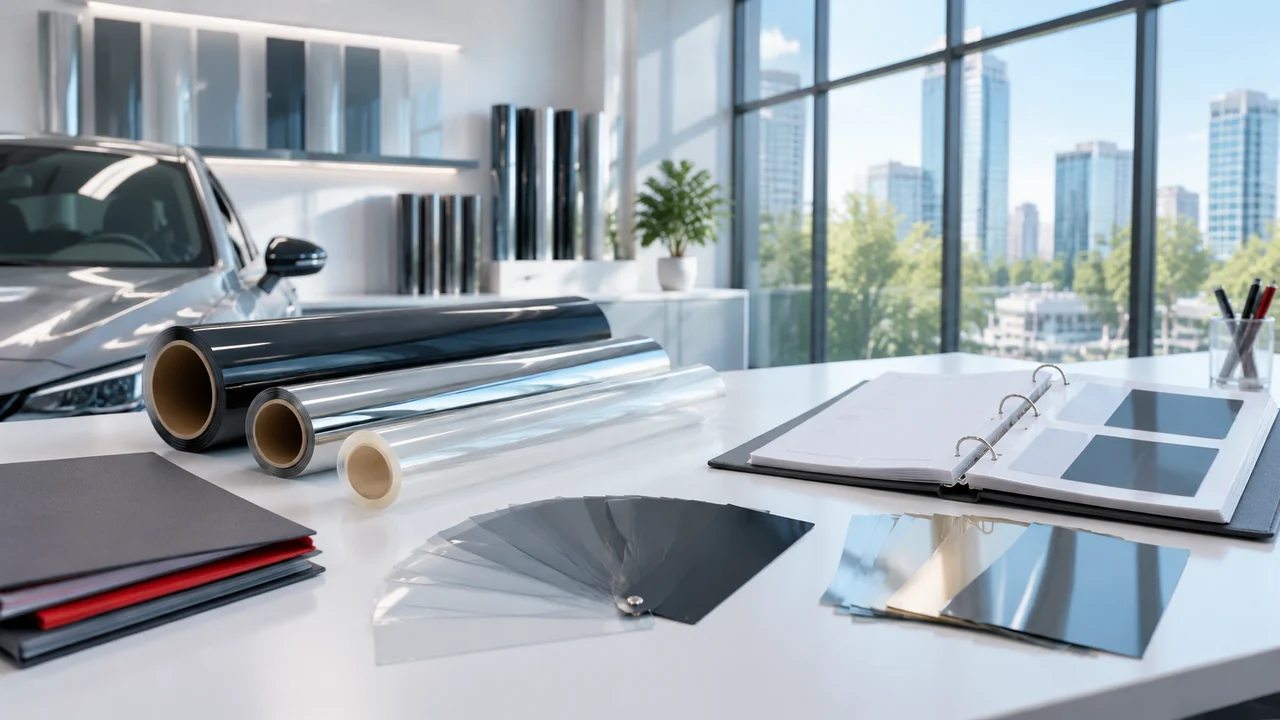
Specifications explain measurable properties, while a physical sample helps professionals review appearance, color, reflectivity, and handling. These are complementary forms of evaluation—not substitutes for one another.
A useful sample process starts with the intended product category and application. The glass type, desired appearance, and information to be evaluated should be identified before a sample is selected. ARMOLAN’s Samples page invites professional users to share their product interest and application context so suitable sample options can be discussed.
Manufacturing and Customization Should Be Explained Clearly
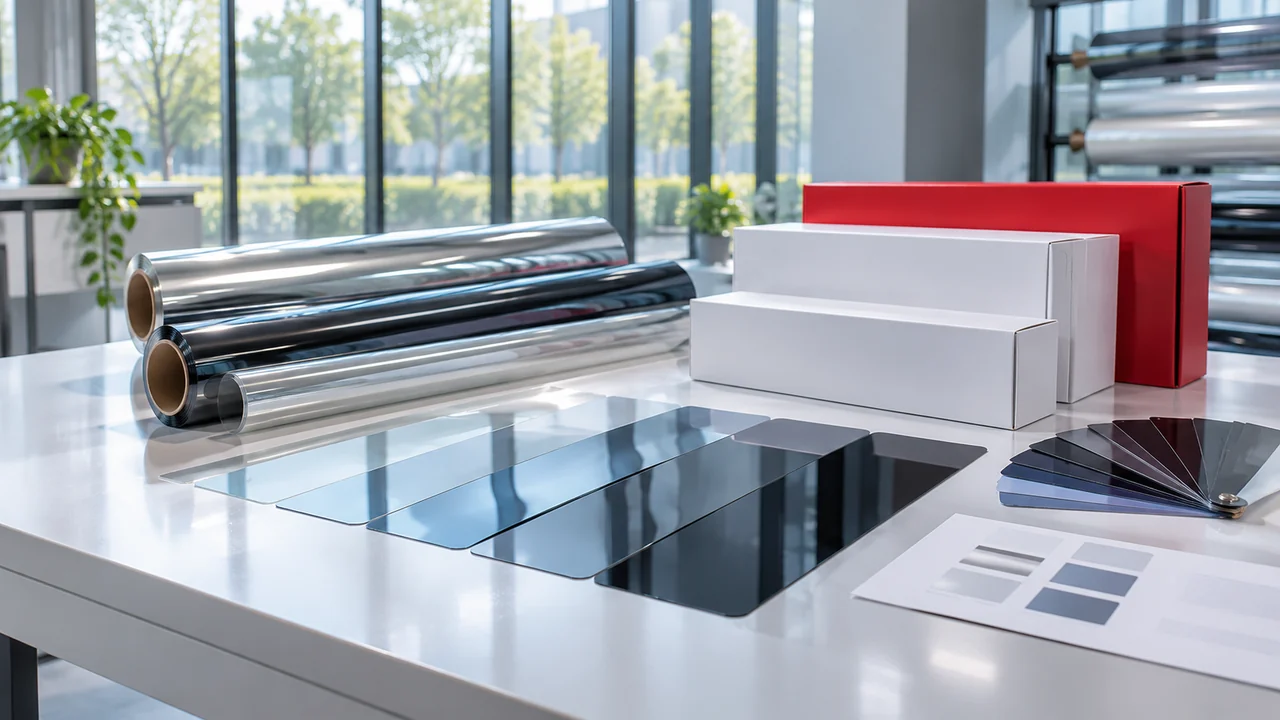
For professional partners, a brand’s capabilities may extend beyond the standard product range. OEM and private-label programs, specification discussions, and packaging customization can be relevant when businesses need products presented for a particular market or brand identity.
ARMOLAN’s website identifies Guangzhou Smart Cool Plastic Film Co., Ltd. as its manufacturing partner and describes an integrated operation covering R&D, production, and sales. The site also outlines production stages including raw-material inspection, coating, laminating, cutting, and final inspection, alongside flexible OEM/ODM services such as custom specifications, private labeling, and packaging. Specific project scope and available options should still be confirmed against the actual requirements.
Consistent Product Knowledge and Technical Support
Professional support is not simply a contact button. It means helping a dealer, distributor, or installer identify the relevant product category, locate current information, understand what still needs to be checked, and connect the product with the intended application.
It also means communicating limitations clearly. If a glass type, installation condition, test result, or warranty detail has not been confirmed, it should be identified as requiring review—not replaced with an assumption. This kind of consistency helps protect the brand, its partners, and the people who rely on the finished installation.
Learn more about the brand’s product direction and professional focus on the About ARMOLAN page.
Professionalism Is Built Through Clarity
A professional window film brand brings together a clearly organized portfolio, product information that can be checked, an understanding of real glazing applications, meaningful sample evaluation, transparent customization options, and consistent technical communication.
These are not just features on a company profile. They are the foundations of a dependable product experience—from the first product question to the final application. This is the approach ARMOLAN aims to present across its automotive, architectural, and safety film categories.