
From a vehicle windshield to a commercial glass façade, window film does not serve a single purpose. The priorities shift with the glass, its surroundings, and the result expected from the installation. The ARMOLAN film portfolio brings three distinct product areas together: automotive, architectural, and safety & security window films.
This overview explores how those categories differ, which ARMOLAN series and finishes are presented within them, and what information matters when comparing options.
Three Film Categories, Three Different Priorities
A clear product range starts with application rather than a one-size-fits-all promise. Automotive film is considered alongside the driving experience; architectural film is selected in the context of the building and its glazing; and safety film requires attention to the performance of the complete glass system.
Automotive Window Films: Series for Vehicle-Glass Applications

For automotive glass, the main considerations include visible light transmission, glare, solar-control information, optical appearance, and local tint regulations. A dark appearance alone does not establish how much solar energy a particular film rejects.
ARMOLAN currently presents three automotive series on its automotive window films page:
- NC Series — part of the standard automotive film direction.
- TNC Ceramic Series — a ceramic film series within the automotive range.
- HS Ceramic Series — a separate ceramic series within the same category.
These series names help organize the range; they are not substitutes for a model comparison. Before interpreting differences in light transmission, solar performance, color, or warranty coverage, consult the current documentation for the specific film.
Architectural Window Films: Glass Appearance Meets Building Context
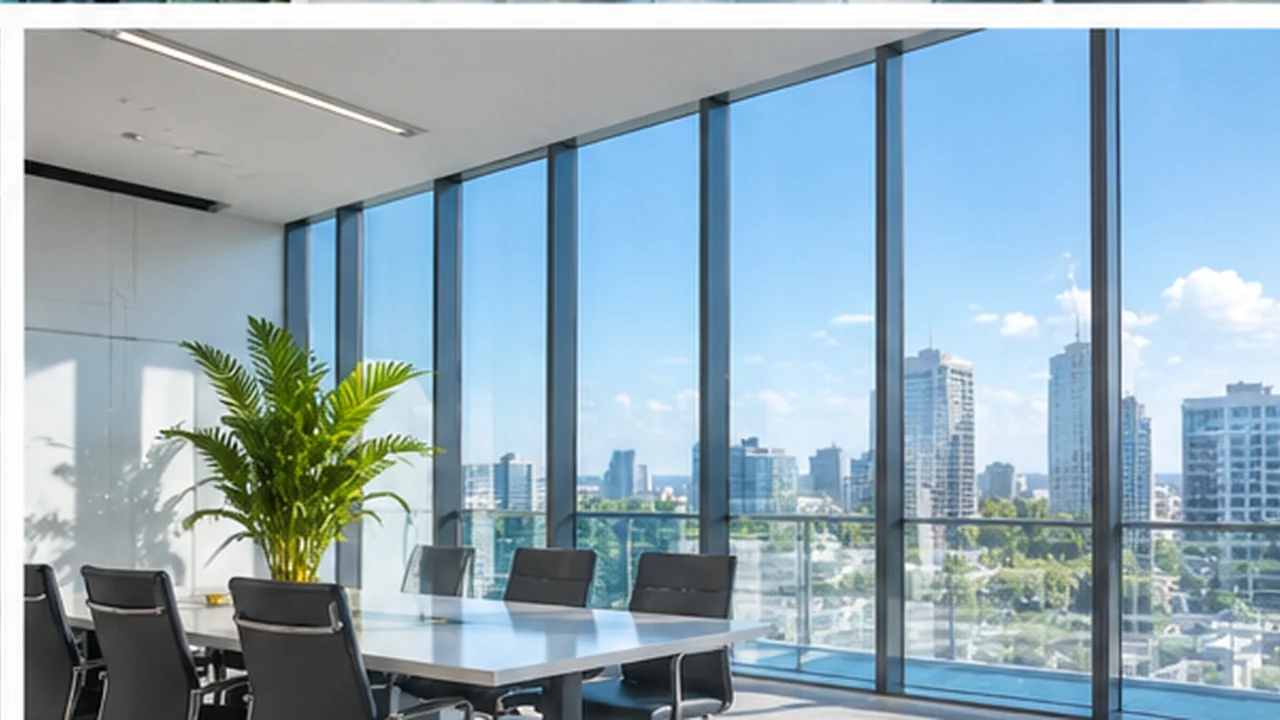
Architectural glazing has its own considerations. The same window may affect interior daylight, outward visibility, reflected appearance, glare, and the way a room feels throughout the day. Film choice therefore begins with the building, existing glass, orientation, and intended visual result.
Within its architectural window film range, ARMOLAN presents reflective finish directions including Dark Black Silver and Light Golden Silver. These descriptions provide a useful starting point for discussing appearance, rather than a complete statement of solar or optical performance.
A finish that looks appropriate in a sample may appear different when viewed against an actual façade or under changing daylight. Confirm glass compatibility, product data, and the effect of the chosen film in the intended environment.
Safety & Security Films: Consider the Complete Glass System
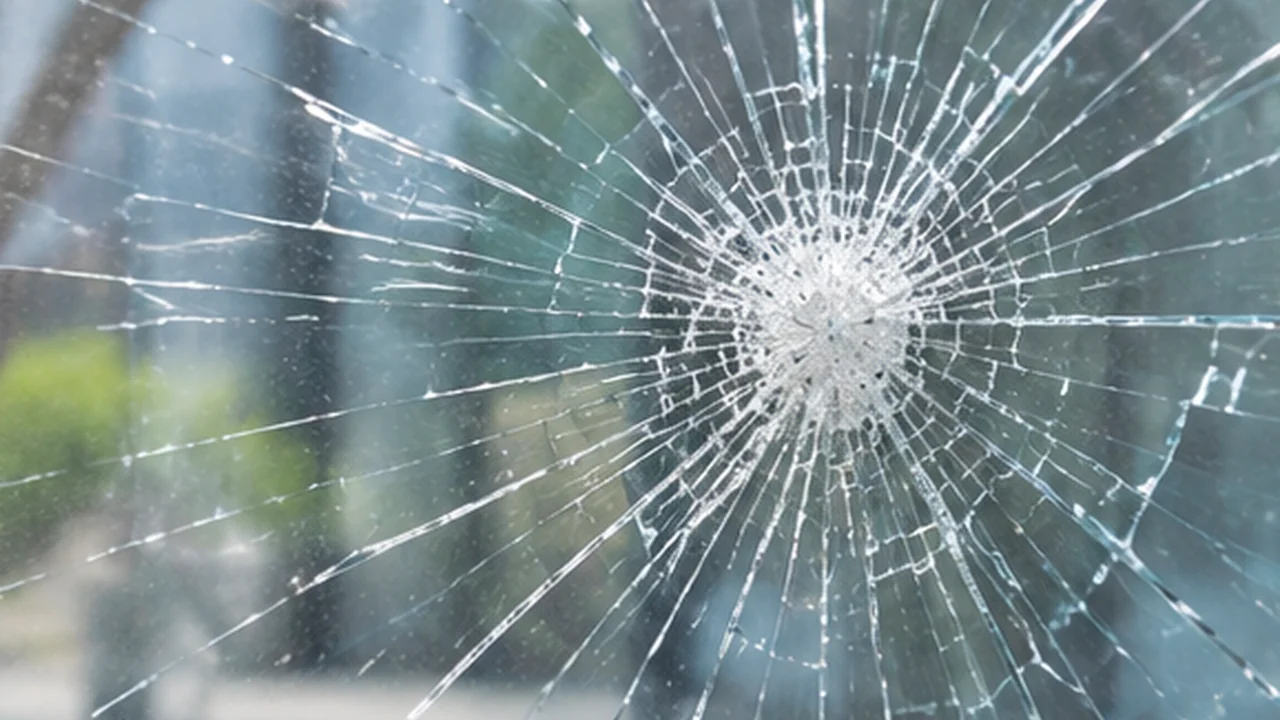
ARMOLAN’s safety and security film range includes transparent options for residential and commercial glazing. These films address a different question from solar-control products: what happens to the glass and its fragments when breakage occurs?
The answer depends on more than film thickness. A meaningful assessment reviews the glass type and condition, film construction, frame and edge details, attachment method, and available test documentation. Thickness options by themselves do not establish an impact rating or make glass unbreakable.
That distinction matters when evaluating applications where glass fragment retention or other safety-related outcomes are being considered. The installed glazing system—not a film description in isolation—must be reviewed against the project requirements.
How to Explore the ARMOLAN Portfolio
The simplest way to understand the range is to ask three questions in sequence:
- Where will the film be used? Identify vehicle glass, residential or commercial glazing, or a safety-related application.
- What matters most? Define the intended appearance, comfort, glazing condition, or safety objective without assuming one product can serve every purpose.
- What needs verification? Review the model-specific specifications, current samples, glass compatibility, and any relevant installation or test information.
For a closer look at materials and appearance, the ARMOLAN samples page explains how professional users can explore evaluation options for the relevant category.
One Portfolio, Different Ways to Work With Glass
The value of a well-organized window film portfolio is clarity: it helps readers understand what each category is for, where the differences lie, and what to investigate next. ARMOLAN presents automotive, architectural, and safety films as related yet distinct areas of professional application.
Explore the individual film categories above, or learn more about ARMOLAN and the application-led approach behind its product range.